MRCOOL Standard Models Heat to 5°F—Is That the Same as Hyper Heat?
A mini-split’s advertised minimum heating temperature can sound like a simple pass-or-fail number: if a unit runs at 5°F, surely it is a cold-climate heat pump. But “can operate at 5°F” does not tell you how much heat it can deliver there, how efficiently it does so, or whether it can keep your room comfortable without backup heat.
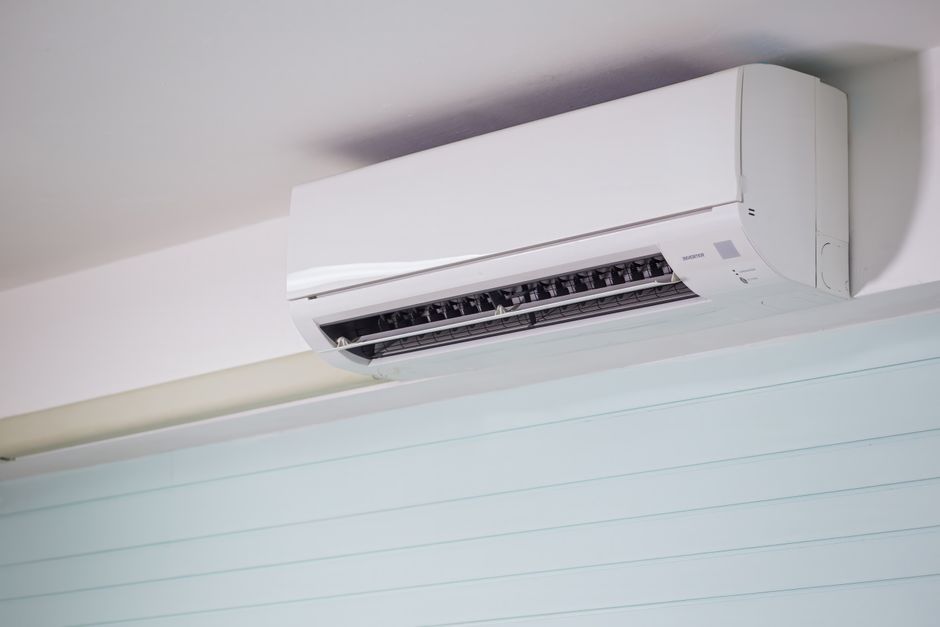
That distinction matters when comparing MRCOOL standard vs hyper heat options. A standard model’s stated 5°F heating performance may overlap with the outdoor operating range of a cold-climate model, but the number alone does not make them equivalent. You need to check the exact model’s capacity and efficiency at low temperatures—and plan for the electrical and installation realities of your home.
What Does “Heats to 5°F” Actually Mean?
In product specifications, a minimum heating operating temperature generally means the system is designed to run down to that outdoor temperature under specified conditions. It does not necessarily mean the system supplies its full rated heating capacity at 5°F. Nor does it guarantee that the heat pump can cover the home’s entire heating load on the coldest night of the year.
Think of a mini-split serving a bedroom or garage. At mild outdoor temperatures, it may produce more heat than the room needs. As outdoor temperatures fall, the system’s available capacity and efficiency can decline. The room may still receive heat at 5°F, but the unit could deliver less heat than it did at 47°F. The amount of that decline varies by model, size, installation, and conditions.
So when you see “5°F heating,” ask three separate questions:
- Can it operate? Check the manufacturer’s stated minimum outdoor temperature for heating.
- How much heat is available? Look for heating-capacity data at low outdoor temperatures, not just the nominal capacity printed in the model name.
- Will that heat cover your room? Compare the available capacity with a room-by-room heating load calculation for your climate and building.
MRCOOL Standard vs Hyper Heat: The Important Difference
“Hyper Heat” is not a universal rating that means the same thing across every heat-pump brand. It can refer to a specific product family or marketing designation, so confirm what the term means for the exact equipment you are considering. A standard MRCOOL model with a published 5°F heating limit and a cold-climate model may share a minimum operating temperature while differing substantially in the heat each can provide at that temperature.
For a fair mrcool standard vs hyper heat comparison, look at the manufacturer’s expanded performance tables or submittal sheets. Find heating capacity and coefficient of performance (COP) at several outdoor temperatures—ideally including temperatures close to your local winter design condition. If the documentation only says the unit operates to 5°F, you do not yet have enough information to judge its cold-weather capability.
What to compare Why it matters Minimum heating operating temperature Shows the stated lower outdoor limit for operation, not necessarily the capacity at that limit. Heating capacity at low outdoor temperatures Shows how much heat the system can deliver as the weather gets colder. COP or low-temperature efficiency Helps estimate the electricity needed to deliver heat under cold conditions. Capacity at your local design temperature Helps determine whether the unit can meet the room’s heating load without supplemental heat. Required electrical circuit and installation details Affects project cost, code compliance, and whether the planned location is practical.Some cold-climate heat pumps are designed to preserve more heating capacity at low temperatures than conventional models. That does not mean every product described as “hyper heat” will homesandexterior.com outperform every standard model in every condition. Compare model-specific data, and be cautious about judging a system from a single cutoff temperature or a headline claim.
Cold-Climate Performance: Capacity Matters More Than a Cutoff
Cold-weather suitability depends on the relationship between a heat pump’s output and the home’s heat loss. A small unit in a well-insulated bedroom may be comfortable through much of winter, even if it loses capacity as temperatures drop. The same unit might struggle in a drafty garage with an uninsulated overhead door. The room, not just the equipment label, determines whether the system is a good match.
Ask an HVAC professional to estimate the heating load for the space, especially if the mini-split will be the primary heat source. A proper assessment should account for insulation, air leakage, windows, ceiling height, and local winter design temperatures. Oversizing is not automatically a solution: an oversized system may cycle more than desired in mild weather, while a poorly placed indoor head can leave parts of a room uncomfortable.
Also consider defrost operation. In damp, cold weather, frost can build on the outdoor coil, and the system may periodically run a defrost cycle. That is normal, but it can temporarily affect delivered heat. Installation quality, drainage, and unobstructed airflow around the outdoor unit matter too. Keep snow and debris away from the coil, and follow the manufacturer’s clearance requirements.
DIY Mini-Splits in 2026: What “DIY” Really Means
In 2026, “DIY mini-split” usually describes a system packaged and documented to make certain installation steps more accessible to homeowners—often including precharged refrigerant lines or a simplified line-set connection. It does not mean every part of the job is tool-free, permit-free, or automatically compliant with local rules. The exact work you can legally perform depends on the equipment, jurisdiction, and applicable electrical and mechanical codes.
Before ordering, confirm who is responsible for the electrical work, permits, inspections, and any refrigerant-related steps. A dedicated circuit may be required, and the breaker, conductor size, disconnect, and wiring method must match the equipment nameplate and local code. Do not assume an existing outlet is suitable. If the project requires a new circuit or panel work, involve a qualified electrician.
There are also practical installation details that sales pages can make seem smaller than they are. The outdoor unit needs a stable base and appropriate clearances. The wall penetration must be sealed against air and water. Line sets need to be routed without kinks, protected where exposed, and managed so extra length does not become a messy coil behind the equipment. Coiling excess line set may be allowed only as directed by the manufacturer; it can affect appearance and service access, so plan the route before drilling.
Finally, read the warranty terms before treating “DIY” as a promise of easy coverage. Warranty requirements can depend on correct installation, registration, proof of purchase, and the type of failure. Keep photos, receipts, serial numbers, and installation records. If the system develops a problem, getting a diagnosis and arranging service may still take time—even when the equipment has a manufacturer warranty.
Zone Air vs MRCOOL: A Value Tradeoff, Not a One-Word Verdict
When comparing MRCOOL with equipment or purchasing options from Zone Air, focus on the complete installed—or realistically installable—project rather than the headline price. The value calculation can include equipment cost, shipping, accessories, electrical work, permits, mounting, line-set routing, and the cost of professional help if the installation or troubleshooting goes beyond your comfort level.
MRCOOL’s DIY-oriented approach may appeal to homeowners who want a packaged system with a more accessible installation path. That can be valuable when the home and installation are straightforward and the owner is prepared to handle the allowed work carefully. Zone Air may be worth comparing for model availability, product documentation, support, and the total quote for the specific equipment. Verify what is included, what is excluded, and who handles warranty questions or technical support; these details can vary by seller and product.
Do not assume one company is automatically the cheaper choice once the project is complete. Compare identical or genuinely comparable capacities, low-temperature performance, included line sets, electrical requirements, and warranty terms. Ask for model numbers in writing. If one quote includes professional installation and another is equipment-only, they are not apples-to-apples.
SEER2, Efficiency, and What You May Pay to Run It
SEER2 measures seasonal cooling efficiency under a standardized test procedure. It is useful for comparing cooling performance, but it does not by itself tell you how efficiently a mini-split heats at 5°F. For heating, look at the system’s heating ratings and low-temperature performance data, including HSPF2 where available, COP, and capacity at relevant outdoor temperatures.
A higher rating can indicate lower energy use under the conditions represented by the rating, but real operating cost depends on more than the number on the label. Your local electricity rate, thermostat setting, insulation, room use, equipment sizing, and outdoor temperature all affect the bill. A mini-split in a frequently occupied bedroom may run very differently from one in a garage that is heated only on weekends.
For a rough comparison, estimate the heat you need and the system’s efficiency under the conditions when it will operate. A COP of 2, for example, means the heat pump delivers about two units of heat for each unit of electricity consumed under that specific test condition. COP can change as outdoor temperature changes, so a mild-weather figure should not be used as a cold-night guarantee.
Use SEER2 to compare cooling efficiency, then use heating data to assess winter operation. If the product literature does not provide the information needed for your climate, ask the seller or manufacturer for the relevant performance tables before buying.
Smart Controls and Reviews: Helpful, but Not Proof of Performance
Some buyers want voice control or smart-home integration. If Google Assistant compatibility matters, verify the exact indoor unit, included controller, app, and any required gateway. Compatibility can vary by model and accessory; do not assume every system works directly with Google Assistant just because a similar model does.
Customer feedback can help identify recurring concerns about delivery, instructions, or support. You can review Trustpilot (mrcool.com reviews), but treat reviews as customer experiences rather than engineering specifications. A review cannot confirm a unit’s heating capacity at 5°F or tell you whether it will meet your room’s load. For those questions, use the technical submittal, installation manual, warranty terms, and advice from a qualified HVAC professional.
How to Decide Whether a Standard Model Is Enough
- Find your winter design temperature. Use a local climate source or ask an HVAC professional; do not base the decision only on the coldest temperature you remember.
- Get the exact model number. “Standard” and “Hyper Heat” are not enough to compare equipment.
- Check low-temperature capacity. Compare output at your design temperature with the room’s estimated heating load.
- Plan for backup heat if needed. Decide what happens during extreme cold, outages, or service interruptions.
- Confirm installation requirements. Check circuit specifications, permits, clearances, drainage, line-set routing, and warranty conditions.
The Bottom Line
A standard MRCOOL model listed to heat at 5°F is not automatically the same as a cold-climate or “Hyper Heat” model. The 5°F figure tells you something about the unit’s operating range; it does not, by itself, reveal how much heat the system can deliver or how efficiently it will run at that temperature.
For mild or moderate climates, or a well-insulated room with a modest heating load, a standard model may be a sensible value. For a cold climate where the mini-split must provide most or all of the heat, compare low-temperature capacity and efficiency against a room-by-room load calculation. Whether you buy through MRCOOL, compare an option from Zone Air, or consider Cooper&Hunter, judge the exact model and the entire installation—not a cutoff number, brand name, or review score alone.